How to read a temple: space, images, texts and people
Turn a visit into grounded observation by connecting names, inscriptions, images and the activities of the community.
Deities & lived culture · Introduction
Begin with the institution’s own account
Names such as si, guan, miao and ci offer clues, but are not infallible classifiers of religious identity. Start with the official name, historical account, names of principal figures and visitor information. Establish whether the setting is a functioning religious institution, an archaeological site or a museum presentation. Separate a building’s construction or restoration date from the origin of a cult and the date of a surviving image; these may differ considerably. A modern tourism panel is not automatically the wording of an ancient inscription. Identify who produced an explanation before deciding which claim about affiliation, chronology or a sacred figure it can actually support.
Connect images with space
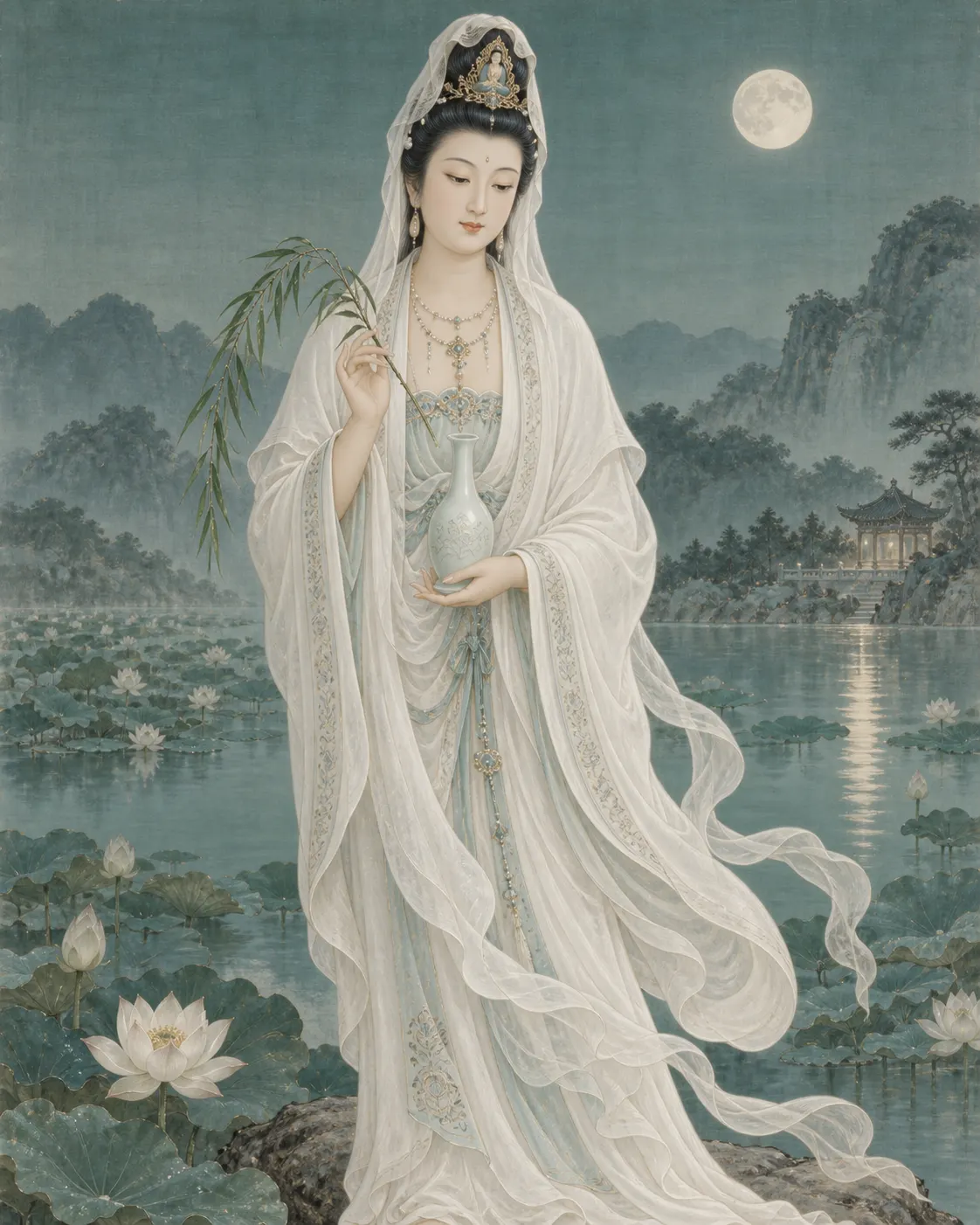
Observe the principal axis, hall names and combinations of central figures and attendants. Then examine inscriptions, gestures, clothing, held objects and mounts. A similar hat or matching color is not sufficient for an identification; an image may have been moved, remade or given a later label. Placement can illuminate ritual relationships, but not every building arrangement represents a fixed cosmic hierarchy. Incense burners, bells, drums, offering tables and banners require interpretation within a specific tradition. If Buddhist and local figures share a space, record the combination and seek local explanations. Their proximity is evidence to investigate, not immediate proof that every figure belongs to one newly unified denomination.
People make a living tradition
Ask who uses the space: resident religious personnel, volunteers, worshippers, visitors and neighbors may have different purposes. Follow local requirements for photography, access, dress and quiet, seek consent before photographing individuals and avoid treating private prayers as freely publishable material. A five-column note can record what was observed, its label, who explained it, the source and what remains uncertain. This keeps observation separate from inference. A temple can be cultural heritage and simultaneously a place where people practice religion or confront significant events in their lives. Understanding comes from comparing objects, documents and lived activity, while accepting that some questions may remain unresolved after a single visit. After a visit, verify one or two specific questions, such as an inscription or restoration date, before expanding the inquiry into less documented narratives.
Classics & reading
- Local inscriptions, restoration records and temple histories
- Prefer dated witnesses and distinguish an inscription from modern transcription or tourism retelling.
- Record of the Buddhist Monasteries of Luoyang
- Study how buildings, city life and people appear together without making one medieval capital a universal temple template.
Check your understanding
Can a principal image be reliably identified by color alone?
Show a suggested answer
No. Combine labels, attributes, attendants, date, region and institutional explanations, retaining uncertainty where evidence is insufficient.
Meet the related figures
Sources
- The Met: How to Read Buddhist Art (opens in a new window)
Supports contextual image reading rather than identification by one isolated feature.
- Art Institute of Chicago: Taoist ritual (opens in a new window)
Supports returning objects to ritual and communal contexts; the five-column notebook is an original editorial method.
This is a guide to cultural and intellectual history. Scriptural teaching, religious claims and historical study have different roles here. Describing a belief does not establish its effects. Editions, regions and lineages may differ; this site represents no religious institution.
This site is offered for entertainment and self-reflection purposes only. This is not financial advice. It is also not medical advice, not legal advice, and not a substitute for a licensed professional. No particular outcome, result, or benefit is promised or assured.