The library
Chinese metaphysics, written out in full.
The twelve zodiac signs, five elements, ten Day Masters and customs — one idea at a time.
12 pages
Zodiac Signs
The twelve animals, one page each: what the tradition reads into the sign, how it is said to handle money, and which years it covers.
Zodiac
Year of the Rat (鼠): Traits, Wealth Style and Compatibility
First of the twelve animals, fixed to the Water element — read for resourcefulness, timing and the quiet accumulation of small advantages.
Zodiac
Year of the Ox (牛): Traits, Wealth Style and Compatibility
Second of the twelve animals, fixed to the Earth element — read for endurance, method and value built by repetition.
Zodiac
Year of the Tiger (虎): Traits, Wealth Style and Compatibility
Third of the twelve animals, fixed to the Wood element — read for initiative, appetite for risk and value that follows the first move.
Zodiac
Year of the Rabbit (兔): Traits, Wealth Style and Compatibility
Fourth of the twelve animals, fixed to the Wood element — read for discernment, diplomacy and value preserved rather than chased.
Zodiac
Year of the Dragon (龙): Traits, Wealth Style and Compatibility
Fifth of the twelve animals and the only mythical one, fixed to the Earth element — read for scale, authority and value that arrives in large steps.
Zodiac
Year of the Snake (蛇): Traits, Wealth Style and Compatibility
Sixth of the twelve animals, fixed to the Fire element — read for strategy, discretion and value that comes from knowing more than is said.
Zodiac
Year of the Horse (马): The 2026 Fire Horse Year
Seventh of the twelve animals, fixed to the Fire element — and the sign of 2026, a Fire Horse year that arrives once every sixty.
Zodiac
Year of the Goat (羊): Traits, Wealth Style and Compatibility
Eighth of the twelve animals, fixed to the Earth element — read for craft, gentleness and value that accrues to good taste.
Zodiac
Year of the Monkey (猴): Traits, Wealth Style and Compatibility
Ninth of the twelve animals, fixed to the Metal element — read for invention, versatility and value found in the gap others missed.
Zodiac
Year of the Rooster (鸡): Traits, Wealth Style and Compatibility
Tenth of the twelve animals, fixed to the Metal element — read for precision, candour and value that follows a reputation for standards.
Zodiac
Year of the Dog (狗): Traits, Wealth Style and Compatibility
Eleventh of the twelve animals, fixed to the Earth element — read for loyalty, judgement of character and value built on trust.
Zodiac
Year of the Pig (猪): Traits, Wealth Style and Compatibility
Last of the twelve animals, fixed to the Water element — read for generosity, appetite for life and value that comes back through goodwill.
5 pages
The Five Elements
Wood, Fire, Earth, Metal and Water — the vocabulary the whole system is built from, and where every colour and material recommendation comes from.
Element
The Wood Element (木 Mù): Growth, Beginnings and Direction
The first of the five elements — spring, the east, the colour green, and everything in a chart that is still becoming what it will be.
Element
The Fire Element (火 Huǒ): Visibility, Warmth and Expression
The second of the five elements — summer, the south, the colour red, and everything in a chart that is meant to be seen.
Element
The Earth Element (土 Tǔ): Stability, Capacity and the Middle
The third of the five elements — the centre rather than a season, the colour yellow, and everything in a chart that holds, stores and steadies.
Element
The Metal Element (金 Jīn): Precision, Refinement and Cutting Away
The fourth of the five elements — autumn, the west, the colour white, and everything in a chart that judges, refines and finishes.
Element
The Water Element (水 Shuǐ): Depth, Movement and Reserve
The fifth of the five elements — winter, the north, the colour black, and everything in a chart that moves, listens and holds something back.
10 pages
The Ten Day Masters
The character that stands for you in a BaZi chart. Ten of them, each with an image you can actually hold on to.

Day Master
Yang Wood Day Master (甲 Jiǎ): The Roof Beam
The upright, load-bearing timber of the ten Day Masters — read for structure, direction and the kind of value that accumulates by holding a shape.

Day Master
Yin Wood Day Master (乙 Yǐ): The Wisteria
The climbing, flexible wood of the ten Day Masters — read for adaptability, patience and value that gathers through what it attaches to.

Day Master
Yang Fire Day Master (丙 Bǐng): The Noon Sun
The broad, impartial daylight of the ten Day Masters — read for visibility, generosity and value that follows being known.

Day Master
Yin Fire Day Master (丁 Dīng): The Lantern
The contained, directed flame of the ten Day Masters — read for focus, discernment and value that comes from depth rather than reach.

Day Master
Yang Earth Day Master (戊 Wù): The Rampart
The immovable, sheltering earth of the ten Day Masters — read for stability, stewardship and value that collects by staying put.

Day Master
Yin Earth Day Master (己 Jǐ): The Furrow
The tilled, receptive earth of the ten Day Masters — read for nurture, capacity and value that grows as the ground is worked.

Day Master
Yang Metal Day Master (庚 Gēng): The Anvil
The unrefined, load-taking metal of the ten Day Masters — read for decisiveness, resilience and value that comes from what gets finished.
Day Master
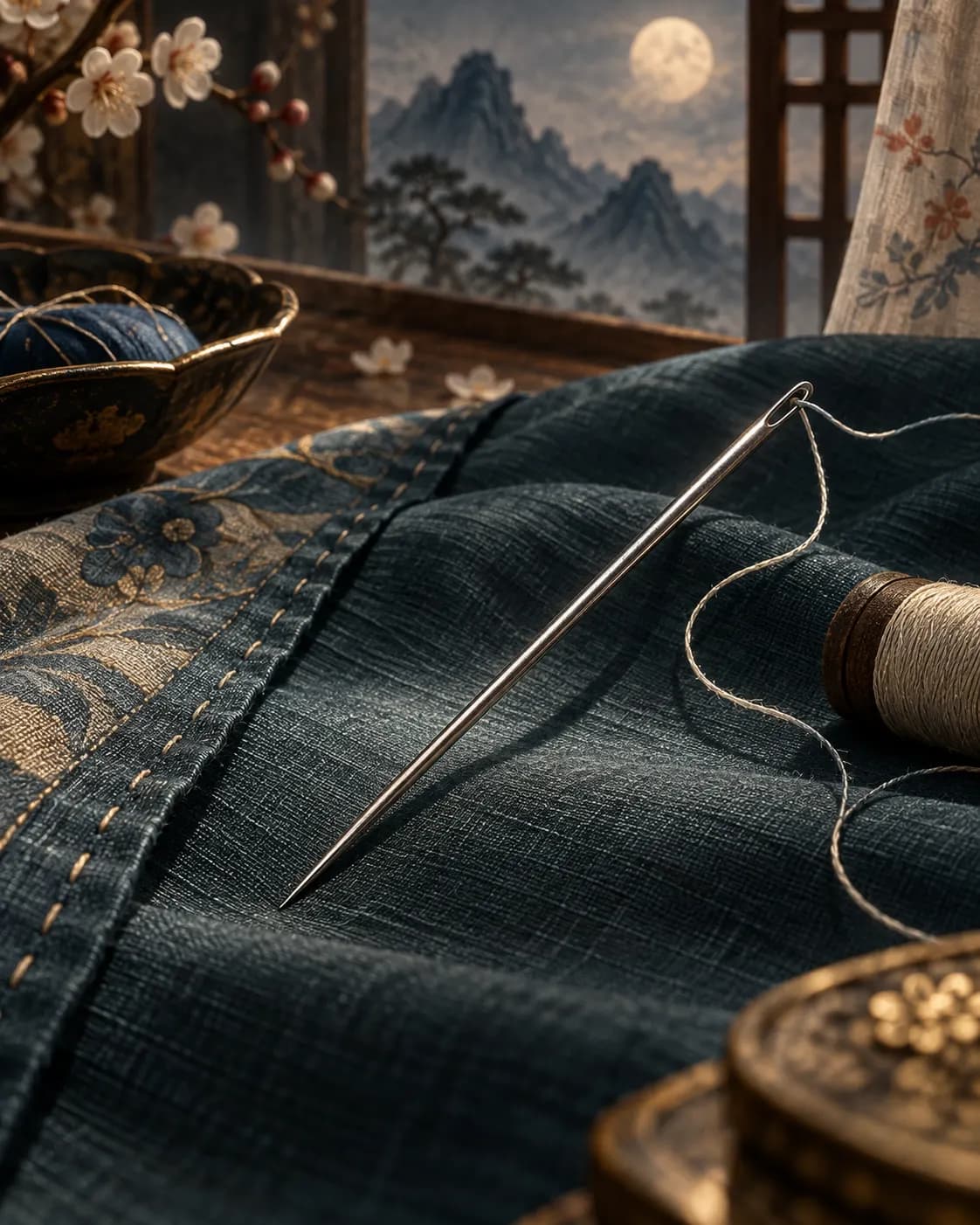
Yin Metal Day Master (辛 Xīn): The Silver Needle
The refined, exacting metal of the ten Day Masters — read for discernment, precision and value that comes from standards rather than volume.

Day Master
Yang Water Day Master (壬 Rén): The Tide
The wide, moving water of the ten Day Masters — read for adaptability, scale and value that arrives through movement and exchange.

Day Master
Yin Water Day Master (癸 Guǐ): The Mist
The fine, pervasive water of the ten Day Masters — read for perception, patience and value that accumulates out of sight before it shows.
10 pages
Foundations
How the system works, what the terms mean, and the customs — Ben Ming Nian, Tai Sui — that most people meet before they meet the theory.
Primer
What Is BaZi (八字)? The Four Pillars of Destiny, Explained
The Chinese birth-chart system that turns a birth moment into eight characters — what it is, what it is not, and where to start reading it.
Primer
The Four Pillars Explained: Year, Month, Day and Hour
What each of the four pillars covers, why the day pillar matters most, and what changes when the birth hour is unknown.
Primer
Day Master Strength: What "Strong" and "Weak" Actually Mean
The most misread idea in BaZi — a measure of balance within a chart, not a verdict on the person holding it.
Primer
Hidden Stems (藏干): Why Twelve Branches Hold More Than Twelve Elements
The layer inside each Earthly Branch that makes a chart specific — and the reason two charts with the same visible characters can read differently.
Primer
What "Your Element" Means — and Why You Have Three of Them
The most common question in Chinese astrology has three different correct answers. Here is how to tell them apart.
Primer
How the Tradition Reads Wealth in a Chart (财星)
The wealth element is the one your Day Master controls. That single rule is where every colour, material and direction recommendation comes from.
Primer
Solar Terms (节气): Why the Chinese Month Does Not Start on the 1st
The twenty-four-part solar calendar that decides which pillar your birth belongs to — and why monthly forecasts update around the 4th to the 7th.
Primer
Chinese and Western Astrology: How They Actually Differ
One reads planets against a birth moment; the other reads a calendar notation of it. Same question, completely different machinery.
Practice
Ben Ming Nian (本命年): Your Own Zodiac Year, and What Tradition Asks of It
Every twelfth year your animal comes round again. Chinese tradition treats it as a year for care rather than expansion — and marks it in red.
Practice
Tai Sui (太岁): The Grand Duke of the Year, and the Signs That Meet Him
The annual authority of Chinese folk cosmology — who is said to clash with him in a given year, and what the tradition asks of them.
Free BaZi reading
Find your own Day Master
The pages here describe the tradition in general. A chart describes one person. Enter a birth date and we will calculate the four pillars the classical way — free, no account, about a minute.
Takes about a minute. Nothing to pay, now or after.